Decorate Me How to Win Design Rounds
Theme clarity, timing, and presentation habits that earn stronger votes every session.
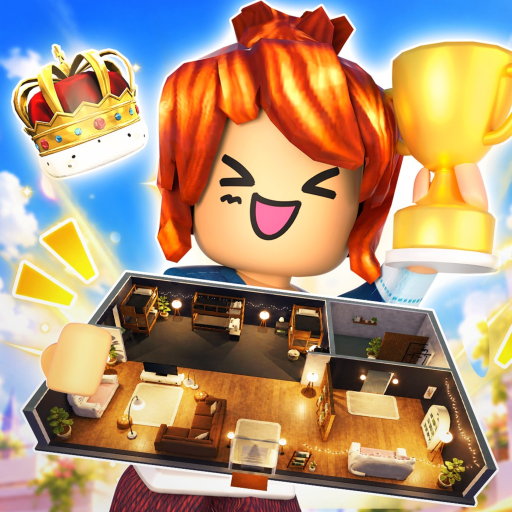
Winning in Decorate Me! is less about owning every weekly drop and more about making the theme obvious, finishing before the timer, and presenting a room the lobby can judge in seconds. This guide turns that idea into a repeatable round plan. Use it after Getting Started when you already know the lobby flow and want consistent podium finishes on the path to Design Elite. Pair it with the Themes Guide, Voting Tips, and Controls so reading, placing, and scoring reinforce each other.
What voters reward first
In a server of eight, every home gets a short look. Voters decide quickly on three signals:
- Theme clarity — Can they name the prompt from your room alone?
- Cohesion — Do colors, materials, and props feel like one plan?
- Finish quality — Is the space complete, aligned, and free of clutter accidents?
Rare furniture helps only when it supports those signals. A common sofa in the right palette often beats a legendary chair that fights the prompt. Study ranked opinions on the decor items tier list between sessions, not while the timer is running.
The winning round timeline
Treat each round as four timed blocks.
Block A — Theme lock (first 10–20% of decorate time). Read the banner, pick a one-sentence story, and choose your three-color plan. If the prompt is seasonal — for example content tied to Halloween 2026 — decide which mood props are mandatory and which are optional. Open the theme checklist if you want a physical reminder of silhouette, palette, and cue props.
Block B — Structure (next 40%). Place large anchors: seating, beds, tables, rugs, and major lighting. Establish walk paths and a clear focal wall or window view. Do not detail yet. Structure decides whether the room feels intentional when voters peek from the doorway.
Block C — Theme cues (next 25%). Add the objects that shout the prompt: beach towels for resort themes, pumpkins for spooky themes, trophies for sports themes. Limit yourself. Two strong cues beat ten weak ones that create noise.
Block D — Polish (final 15%). Rotate misaligned pieces, delete duplicates, fix floating items, and check the camera angle voters are most likely to use. If time is almost gone, stop adding and only clean. An unfinished idea scores worse than a simple finished room.
Color and silhouette plans that travel
Winning designers reuse a small set of plans:
- Warm cozy: wood tones, cream, soft orange accents
- Cool modern: white, gray, one saturated accent
- Nature retreat: greens, stone, soft neutrals
- Party glam: dark base, metallic accents, focused lighting
- Seasonal spike: base plan plus two event props max
Silhouette means the big shapes voters see first. A heavy sofa cluster reads as living room; a long table reads as dining; a bed-centered layout reads as bedroom. Match silhouette to the prompt before you hunt for cute small props. The themes tier list can help you anticipate which prompts punish muddy silhouettes.
Focal points and camera honesty
Design as if the first screenshot is the doorway view. Put your strongest theme cue on that sightline. Avoid burying the prompt answer behind tall furniture. If your best prop is only visible from a corner crouch, most voters will never see it. Practice camera moves from Controls so you can preview your own room the way others will.
Lighting is part of the focal story. A single well-placed lamp or window glow can sell mood faster than covering every surface. Overlighting flattens contrast; underlighting hides your work. Aim for readable shapes, not maximum brightness.
Common ways strong players still lose
- Theme drift: starting on “ocean” and ending with random pink clutter
- Catalog tourism: browsing instead of placing during the first half of the timer
- Prop spam: covering every surface until the room looks like a store shelf
- Friend-only voting culture: ignoring theme quality, which teaches the lobby bad habits
- Late rebuilds: deleting the whole room with thirty seconds left
When you catch yourself drifting, delete the off-theme pieces immediately. Protect the story you locked in Block A.
Climbing from wins to Design Elite
One podium does not make a board climb. Design Elite favors players who finish readable rooms every round. Track your average placement across a session, not a single highlight. After each night, note which prompts you mishandled and revisit the Themes Guide. Watch Updates for weekly decor that changes what is easy to source for popular themes.
Use Codes and how to redeem when free packs expand your toolkit, but do not wait on codes to practice. Process skill transfers to every inventory level. Community context on Players can show how top designers present rooms, while Tools keeps checklists handy during live play. Stay away from risky automation until you understand fair play notes on Scripts.
A practice plan for one week
- Day 1–2: Only chase theme clarity. Finish simple rooms early.
- Day 3–4: Add focal-point discipline. One doorway hero view every round.
- Day 5: Speed drills with Controls — place and rotate ten pieces as fast as you can in a private practice mindset during lobby time.
- Day 6: Fair voting focus using Voting Tips so you learn what the lobby rewards.
- Day 7: Full stack — theme lock, structure, cues, polish — and review results against Design Elite goals.
Winning is a habit loop. Lock the theme, build structure, add clear cues, polish, and vote with the same standards you want for your own rooms. Do that for a week and your podium rate rises without needing every item in the catalog.
Frequently Asked Questions
Quick answers about decorating, voting, codes, and Design Elite.
What matters more, rare decor or theme clarity?
Theme clarity. Voters decide in seconds. Rare pieces help only when they support the prompt and your color plan.
How do I stop running out of time?
Lock the theme early, place large anchors first, and save tiny props for the end. If the clock is low, polish instead of rebuilding.
Should I copy top Design Elite rooms exactly?
Study their clarity and layout habits, not item-for-item copies. Prompts change, and copied clutter still loses if it misses the theme.
Do seasonal events change how to win?
Events add props and special themes, but the same rules apply: readable story, cohesive palette, finished room. See Halloween 2026 for an example event pack.
Where should I look for item priorities between sessions?
Use the decor items tier list and themes tier list after you play. During a round, trust your pre-set color plan and placement order.