Decorate Me Vote Scorecard
A thirty-second rubric for fair votes and sharper personal feedback.
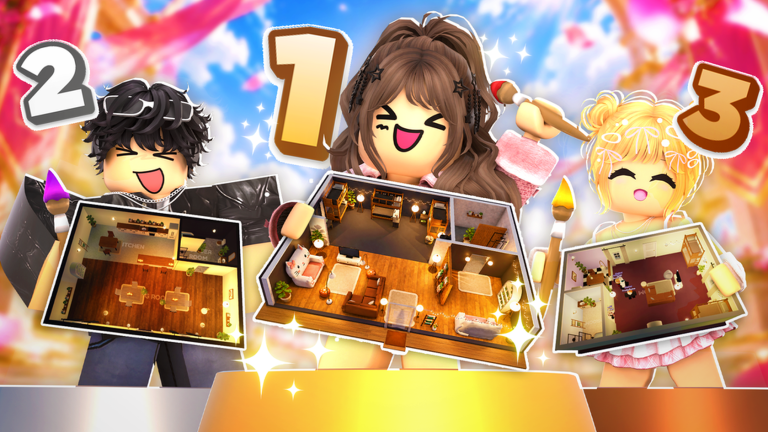
Use this Vote Scorecard while other players’ homes appear in Decorate Me! It turns gut feelings into four quick scores so you vote fairly and learn what actually wins. Keep it beside the theme checklist on the Tools Hub, and pair it with voting tips plus how to win.
Servers hold up to eight players. Every vote matters. Biased or random votes make the meta harder to read and slow your climb toward Design Elite. A consistent rubric also protects new players who ship simple on-theme rooms from losing to loud clutter that only looks expensive for two seconds.
The four score pillars (1–5 each)
Rate each home on:
- Theme clarity — Could a stranger name the prompt from this room?
- Cohesion — Do colors and props feel like one kit (color palettes)?
- Lighting & readability — Is there a light path and a clear focal cluster?
- Effort & finish — Does the room look submitted on purpose, not abandoned?
Add the four numbers for a 4–20 total. Use that total to rank peers when the UI only asks for a simple rating—translate high totals into stronger votes and low totals into weaker ones without insulting players in chat.
Quick scoring anchors
- 5 = obvious theme, tight kit, lit focal point, clean edges
- 3 = mostly on-theme with one weak pillar
- 1 = off-theme, rainbow clutter, dark void, or clearly unfinished
When two rooms feel close, break ties with theme clarity first, then lighting. Fancy furniture that fails the prompt should not beat a finished simple answer.
Thirty-second flow
- Glance for theme keywords (3 seconds).
- Check palette cohesion (5 seconds).
- Find the light + focal point (5 seconds).
- Judge finish quality (5 seconds).
- Cast your vote and move on (remaining time).
If you stall, default to theme clarity. A plain on-theme bedroom should beat a flashy off-theme museum. If the showcase camera moves fast, score from the first readable angle instead of waiting for a perfect orbit.
Personal feedback loop
After the podium, score your own room with the same pillars. Write one sentence: which pillar failed? That note is more valuable than blaming voters. Common failure patterns are catalogued in common mistakes.
Track three sessions in a row. If lighting scores low twice, place lamps earlier next round. If cohesion fails, shrink your accent count using the three-slot palette rule. If finish fails, submit twenty seconds earlier so you stop mid-edit disasters.
During Halloween 2026 and November 2026 weeks, keep the rubric identical. Seasonal props change silhouettes; they should not change fairness. A pumpkin dump still loses to a readable spooky story with a lit path.
What not to score
- Friendship alone
- Robux flex without theme fit
- Scripted or suspiciously identical spam rooms (report through Roblox tools; see Scripts safety notes)
- Chat jokes or avatar drip that never appear in the room
Reward readable craft. Ignore pressure to reciprocal-vote just because someone typed your name.
Practice drill
For two sessions, vote only with this scorecard. Then decorate two rounds aiming to maximize your weakest pillar. New players should finish Getting Started first so controls do not eat the timer. Returning climbers can pair the scorecard with the themes guide after each weekly decor drop so new pieces get judged by clarity, not novelty.
Fair votes create cleaner lobbies and cleaner personal data. Use the scorecard every showcase until the four pillars become automatic.
Frequently Asked Questions
Quick answers about decorating, voting, codes, and Design Elite.
How do I use the vote scorecard in a live round?
Silently score theme clarity, cohesion, lighting, and finish from 1–5 each, then cast a stronger or weaker vote based on the total.
What if the game only has star ratings?
Map high totals to higher stars and low totals to lower stars. The rubric still keeps you consistent.
Should friendship change my score?
No. Score the room. Fair voting keeps Design Elite feedback meaningful for everyone.
Can I use this on my own builds?
Yes. Self-scoring after results is the fastest way to spot repeated weak pillars.
Does the scorecard change for Halloween themes?
No. Keep the same four pillars; only the props and palettes change.
What if two rooms tie on total score?
Break ties with theme clarity first, then lighting. Prefer the room a stranger could name from the doorway.